
This increase is primarily due to the breakdown of ethanol by alcohol dehydrogenase, which produces acetaldehyde—a known histamine liberator. For individuals with a history of heavy drinking, this mechanism can lead to elevated histamine levels, setting the stage for withdrawal-related symptoms. Sneezing, though seemingly minor, may be one manifestation of this heightened histamine activity as the body attempts to expel perceived irritants. Sneezing as a potential symptom of alcohol withdrawal is a topic that has sparked curiosity and debate among medical professionals and individuals experiencing withdrawal.

Alcohol and Allergies
By being aware of the symptoms, knowing the difference between intolerance and allergy, and seeking appropriate treatment, you can enjoy social occasions without compromising your health. Remember, managing allergies is a continuous process, and with the right support and treatment, you can lead a fulfilling life free from the discomfort of allergic reactions. Alcohol has long been a staple in social gatherings, celebrations, and even in some medicinal practices. drug addiction However, many people are unaware of the surprising connection between alcohol and allergies. In this blog post, we will explore how alcohol can trigger allergic reactions, what symptoms to look out for, and how you can manage these reactions. By understanding this connection, you can make informed decisions about alcohol consumption and protect your health.
Imported Beer Distribution Shifts as Olvi Acquires Nordic…

If you’re out with friends, toasting with icy drinks, and find yourself sneezing, it might just be your body playing a role in temperature regulation. Symptoms of alcohol withdrawal vary from mild to severe and life-threatening. Mild symptoms include insomnia, trembling, anxiety, upset stomach, and headache. Severe symptoms include hallucinations, delirium tremens, high blood pressure, fever, and seizures.
- Even a single glass of red wine may release enough histamine to provoke sneezing, a runny nose, or congestion in those with histamine intolerance.
- Dr. Tina M. St. John owns and operates a health communications and consulting firm.
- The amount of alcohol consumed does not necessarily correlate with the likelihood of sneezing.
- Your Sellersville ENT specialist can give you more information on alcohol allergies and tips for safe consumption.
What to avoid if allergic to alcohol?
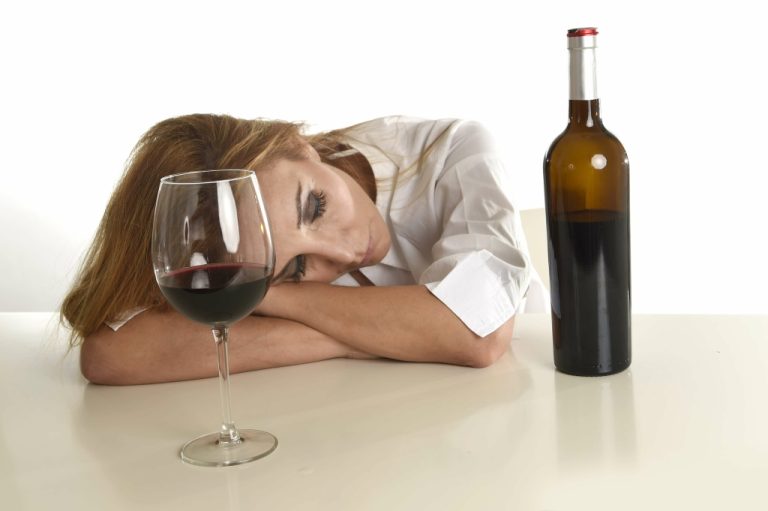
Or, maybe you’re sensitive to sulfites or other chemicals in alcoholic beverages, resulting alcohol and sneezing in nausea or headaches. Common withdrawal symptoms typically emerge within 6 to 24 hours after the last drink, peaking around 72 hours. These symptoms are well-documented and directly tied to the central nervous system’s rebound from chronic alcohol suppression.
If people do not produce enough of this enzyme, they may not break down histamine efficiently, which may lead to intolerance symptoms. If you want to cut back on your alcohol intake but don’t know where or how to start, consider trying Reframe. We’re a neuroscience-backed app that has helped millions of people reduce their alcohol consumption and enhance their overall health.