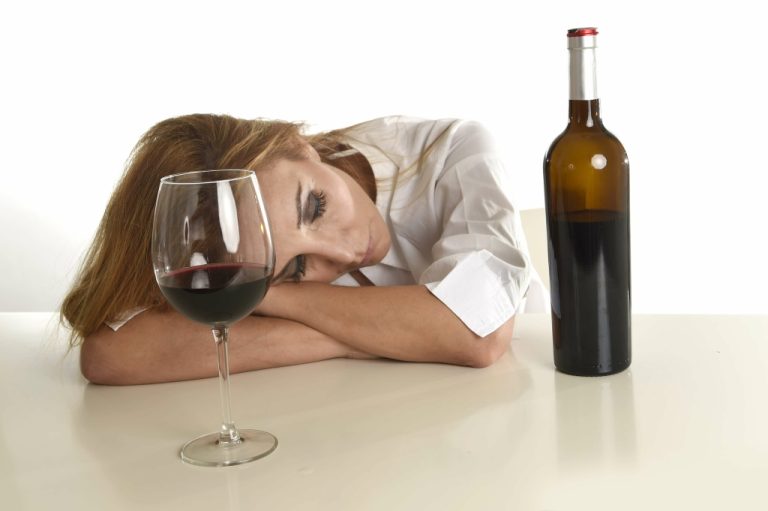
Abstinence Violation Effect AVE What It Is & Relapse Prevention Strategies

Of note, alternative definitions of low-level resumption did not change the observed pattern of results. Our analyses also shed light on the role played by NRT assignment, demonstrating the extent to which nicotine patch treatment prevents progression across a series of repeated lapses. Shiffman, Scharf, et al (2006) showed that treatment with high-dose patch impeded overall progression from the first lapse to relapse.

Does 12-Step Contribute to the AVE?

One day, when he was faced with a stressful situation, he felt overwhelmed, gave in to the urge, and had a drink. I have lost all that time,” which can trigger a self-destructive mindset and potentially lead to further relapse. We celebrate each other going on ridiculous and unsustainable diets at the beginning of the year, yet think nothing of it in February when any and all signs of healthy eating are gone.
what is the abstinence violation effect

How to Get Reimbursed for Online Therapy in 2025

It’s a very specific chain reaction of thoughts and feelings that can drag you right back into old habits. Getting to know these internal drivers is the first real step in breaking the cycle. Guilt and shame are the rocket fuel that can turn a small lapse into a full-blown relapse.

NEARBY TERMS

  • The AVE was introduced into the substance abuse literature within the context of the “relapse process” (Marlatt & Gordon, 1985, p. 37).
  • True, lasting recovery happens when you have a safe, non-judgmental space to get back on your feet after a slip.
  • While celebrating victories is important, you should also find constructive ways to acknowledge your sobriety.
  • Relapse has been variously defined, depending on theoretical orientation, treatment goals, cultural context, and target substance (Miller, 1996; White, 2007).

This all-or-nothing thinking can be particularly damaging in addiction recovery, where flexibility and self-compassion are essential. The concept was developed by researchers Alan Marlatt and Judith Gordon in the 1980s as part of relapse prevention theory. Understanding AVE helps clients and therapists reframe lapses as opportunities for learning, not defeat. When addressed proactively through cognitive-behavioral therapy, clients can reduce the intensity of shame and regain control more quickly. Recovery programs often teach individuals to expect occasional slips and respond with self-forgiveness, support-seeking, and recommitment. AVE is a critical concept for anyone navigating sobriety, and recognizing it can prevent a temporary mistake from becoming a long-term setback.

The role of pre-lapse abstinence appears to be more subtle, interacting with AVE responses in a way that influences progression to additional lapses. Rather than undermining self-efficacy after a lapse, results indicate that longer periods of pre-lapse abstinence potentiated the effect of self-efficacy in protecting against subsequent progression. In such instances, the individual’s feeling of confidence may be better grounded in real experience; i.e., their ability to maintain abstinence for a longer time before the lapse event. In contrast, high self-efficacy following a very short period of abstinence may be less realistic and more brittle in the face of challenge, and hence have a weaker association with subsequent behavior.

Health

The term relapse may be used to describe a prolonged return to substance use, whereas lapsemay be used to describe discrete, circumscribed… Resolutions are difficult to maintain because they require the long-term engraining required of conditioned behavior. If one wants to keep a New Year’s resolution, one must persist past the missteps and imperfections in abstinence violation effect the efforts to adhere to a new routine, just as one must do to successfully change a pattern of addictive behavior. However, if one lacks skills, then the model predicts a decrease in self-efficacy and an increase in positive outcome expectancies for the effects of using the substance.
what is the abstinence violation effect

It should also teach a person how to stop the progression from a lapse into relapse. Marlatt and Gordon’s relapse prevention program is aimed at treating alcohol addiction. It talks about the Abstinence Violation Effect which involves the fact of relapsing into addictive behavior within a withdrawal or detoxification treatment. Alcohol Use Disorder For those struggling with some form of addiction, this is a very relatable topic. Making a commitment to stop drinking only to find yourself days, weeks, months or years down the road ingesting alcohol. If you can relate with this, I’d like you to think of a time when you deviated from your goal to abstain and what your mind told you the moment you veered off that path.

Rather than labeling oneself as a failure, weak, or a loser, recognizing the effort and progress made before the lapse can provide a more balanced perspective. For Jim and Taylor, this might involve acknowledging the months of sobriety and healthier lifestyle choices and understanding that a single incident does not erase that progress. https://joel-c.360elevate.co/2024/09/19/warning-signs-you-need-a-rehab-program-for/ How one defines relapse may be an important influence on determining what happens when one suffers a lapse or slip. For instance, one interesting manifestation of a lapse is something termed the abstinence violation effect.

The Emotional Experience of the AVE

Cognitive processes may include self-blame, rumination, and heightened self-awareness. These emotional and cognitive reactions intensify the Abstinence Violation Effect, which may lead to a further loss of control and increased vulnerability to subsequent relapses or deviations from the established rule. The Abstinence Violation Effect (AVE) is a psychological phenomenon that refers to a person’s reaction to breaking a self-imposed rule of abstinence or self-control.

what is the abstinence violation effect

We can use our experiences to help others by telling them how relapse and abstinence violation effect caused us torment. If we can keep others from making the same mistakes, our experiences will serve a wonderful purpose. The memories of our slips may always sting a bit, but at least we can sleep easy at night knowing that we used them to do some good. Sometimes, it begins from the very moment we even consider the notion of using again. If AVE sets in pre-emptively, it may actually lead us to the relapse we so desperately fear.

Brie graduated as a high school valedictorian with a major in Health Technologies and continued her studies at Springfield Technical Community College with a focus on healthcare. She served in Operations and HR for a finance company for ten years, before returning to healthcare and eventually arriving at USR. Her over 15 years’ experience working in healthcare administration and management quickly launched her into a leadership role. Now serving as the Director of Human Resources since 2018, she leads our organization through the intricate requirements of recordkeeping, recruitment, staff development as well as compliance. While also directing all aspects of HR including payroll, benefits administration, performance management, and compliance with federal, state, and local employment laws, as well as licensing and accreditation standards.

Oxford House Recovery Homes: Characteristics and Effectiveness

For more information about NARR, check out our article titled The National Alliance for Recovery Residences, which offers more insight into its system of standards and policies. Decisions regarding house operations, including rules and financial matters, are made collectively. This approach not only instills a sense of community but also ensures that residents are actively engaged in maintaining their sober environment. Clearly, it is important to improve the quality of the data for outcomes research with residential substance abuse treatment. Both NIDA and NIAAA have health services research study sections that are willing to review these types of applications. It is hoped that more researchers will consider developing grant proposals in this area, particularly as research focusing on the solution of applied problems is becoming a larger priority area for the federal government.

Starting a Sober Living Home in Raleigh, NC: A Complete 2026 Guide

Annualizing this difference for the entire Oxford House sample corresponds to approximately $494,000 in additional benefits to those in the Oxford House condition. The lower rate of incarceration (3% versus 9%) in the study among Oxford House versus usual care participants corresponded to annualized savings for the Oxford House sample of roughly $119,000. Together, the productivity and incarceration benefits yield an estimated $613,000 in savings accruing to the Oxford House participants. In this same study, we examined the combined effects of 12-step involvement and Oxford House https://painmeds365.com/the-link-between-domestic-violence-and-substance/ residence on abstinence over a 24-month period (Groh, Jason & Ferrari, 2009). Among individuals with high 12-step involvement, the addition of Oxford House residence significantly increased the rates of abstinence (87.5% vs. 52.9%). When we stopped drinking, we began to realize that in order to stay stopped, our lives would need to change.

oxford house sober living rules

Revolutionizing the Recovery Housing Field

Opening a recovery home in Raleigh means navigating zoning, fire-safety rules, business registrations, fair-housing law, and neighborhood relations—all while building a sustainable business. That decision drives zoning conversations, life-safety requirements, staffing, and which referral partners will work with you. We provide information such as eligibility rules and requirements for most of our listings. This can help you narrow down what you may qualify for in your search for assistance. View and download the latest House and Chapter Manuals, along with other forms used to conduct weekly house meetings. Each member pays EES (Equal Expense Share) which includes the total amount of rent due for the month, utilities and basic staples for the house.

Can family members visit or stay with me in transitional housing?

This is understandable since as many as 80% of the current jail/prison population are alcoholics and drug addicts. Oxford Houses seem to stop the recycling in and out of jail or treatment facilities. All they need to do is to find a house to rent in the name of the group, and apply to Oxford House, Inc., for a charter. Kim, Davis, oxford house sober living Jason, and Ferrari (2006) examined the impact of relationships with parents, significant others, children, friends and co-workers on substance use and recovery among this national sample of Oxford House residents. They found that children provided the only type of relationship that was able to affect both substance use and recovery in a positive direction.

Accountability Among Residents

The opportunity for a house to democratically function requires periodic meetings within the house — at least once a week. Such meetings should be used to resolve any operational or personality problems facing the house. By running Oxford House on a democratic basis, members of Oxford House become able to accept the authority of the group because the group is a peer group. Each member has an equal voice in the group and each has an opportunity to relearn responsibility and to accept decisions once they are made.

oxford house sober living rules

  • Failure to adhere to any of these three requirements would bring the entire Oxford House concept into question.
  • Second, an Oxford House must follow the democratic principles in running the house.
  • An exploration of the research on these unique settings highlights the strengths of such a community-based approach to addressing addiction.

He moved to a county-run halfway house in Silver Spring, MD, to recover but soon learned that the facility was about to close. I just had to Alcohol Use Disorder follow the rules, get along with everyone, and work on my recovery. But together we have learned to manage and maintain the house and interact as a family. During 2010, approximately 24,000 individuals lived in an Oxford House for some or part of the year. Of that number 4,332 relapsed 19% and were expelled, while 7,668 moved out clean and sober.

In the U.S., over 9,800 people live in these self-run dwellings where they obtain jobs, pay utility bills, and learn to be responsible citizens. Beginning with one single rented residence in the mid 1970s, Oxford Houses now number over 1,300. These rented homes are helping to deal with drug addiction and community re-entry by providing stable housing without any limits on length of stay, a network of job opportunities, and support for abstinence.

Understand Colorado Springs Zoning & Site Selection for Recovery Housing

  • Using cross sectional data, Ferrari, Jason, Davis, Olson, and Alvarez (2004) compared the operational policies of 55 Oxford Houses to those of 14 Therapeutic Communities (TCs).
  • Still, the terms “sober living home” and “halfway house” are sometimes used interchangeably, depending on the drug addiction area where you live.
  • They typically include rules around curfews, sobriety, and sometimes employment, promoting responsibility and self-sufficiency.
  • The manuals, officer roles, and training events create a structure where peer support, accountability, and leadership can thrive.
  • This assures integrity and correct application of the Oxford House system of operations as documented in the Oxford House Manual© and Oxford House Chapter Manual©.

Those who have benefited from an Oxford House have acquired enthusiasm for the Oxford House concept. In their enthusiasm, they have been anxious to share Oxford House with any recovering alcoholics and drug addicts who want to establish an Oxford House in their community. Nearly all members of Oxford House utilize the AA and/or NA program in order to obtain and keep a comfortable sobriety. However, an Oxford House relies primarily upon example for assuring a high percentage of AA and/or NA attendance from its members. As a general rule formal AA or NA meetings are not held in an Oxford House member who has maintained comfortable sobriety in an Oxford House makes it a practice to attend a lot of AA and/or NA meetings on a regular basis.

7 Deadliest Drug Combinations

Sign up for free and stay up to date on research advancements, health tips, current health topics, and expertise on managing health. That usually means four or more drinks within two hours for women and five or more drinks within two hours for men. Health agencies outside the U.S. may define one drink differently. It means on days when a person does drink, women do not have more than one drink and men do not have more than two drinks. Knowing your personal risk based on your habits can help you make the best decision for you.

If you’ve had three beers, wait three hours to take a sleeping pill. It takes your liver one hour to metabolize one standard drink. In an attempt to rebalance itself, our brain releases neurotransmitters to wake us back up. Believe it or not, excessive or chronic alcohol use can actually cause insomnia! These episodes could result in injury or, in some situations (such as sleep-driving), may lead to arrest or harm to others.

Cost may be a factor when selecting a treatment approach. Overall, gather as much information as you can about a program or provider before making a decision on treatment. These medicines are designed to help manage a chronic disorder just as someone might use medications to keep their asthma or diabetes in check. This is not an uncommon concern, but the short answer is “no.” All medications approved for treating AUD are nonaddictive. These advances could optimize how treatment decisions are made in the future.

Before Your Deductible Resets, Invest in Your Recovery

  • Studies show that strong family support through family therapy increases the chances of maintaining abstinence (not drinking) compared with people going to individual counseling.
  • Excessive alcohol use can harm people who drink and those around them.
  • Cost may be a factor when selecting a treatment approach.
  • Because alcohol mixes with body water, a given amount of alcohol is more concentrated in a woman’s body than in a man’s.
  • This avoids the production of toxic aldehyde and carboxylic acid derivatives, and reduces the more serious toxic effects of the glycols when crystallized in the kidneys.
  • However, there are often restrictions on alcohol sale and use, for instance a minimum age for drinking and laws against public drinking and drinking and driving.
  • Some sleeping pills have adverse and/or unusual effects such as memory loss and sleepwalking, even when taken on their own.3,4 People have reported engaging in behaviors such as eating, talking on the phone, and sometimes even driving a motor vehicle with no recollection after taking a sleeping pill.5

When a woman drinks, the alcohol in her bloodstream typically reaches a higher level than a man’s even if both are drinking the same amount. Some medications—including many popular painkillers and cough, cold, and allergy remedies—contain more than one ingredient that can react with alcohol. This pamphlet lists medications that can cause harm when taken with alcohol and describes the effects that can result. Some medicines that you might never have suspected can react with alcohol, including many medications which can be purchased “over-the-counter”—that is, without a prescription.

Many others substantially reduce their drinking and report fewer alcohol-related problems. Many people struggle with controlling their drinking at some point in their lives. Alcohol-related problems—which result from drinking too much, too fast, or too often—are among the most significant public health issues in the United States. If you’re not sure if a medication can be combined with alcohol, avoid any alcohol consumption until your doctor or pharmacist has told you that it’s safe to mix the two. One of the most snorting zolpidem common causes of severe liver damage — including some cases requiring a liver transplant — is a combination of the pain reliever acetaminophen (available over the counter as Tylenol and in some prescription drugs) and alcohol. In older adults especially, alcohol use may increase the risk for falls, serious injury, and disability related to balance problems.

The Recovery Village Indianapolis

The Recovery Village has caring professionals who can guide you through treatment options and help achieve recovery.Contactone of our compassionate staff members today to start your recovery. Valerian is an herbal supplement often taken as a sleep aid or to treat anxiety symptoms. Melatonin and alcohol haveno known drug interactions.

What should I do if someone I know mixed sleeping pills and alcohol?

Another significant concern when combining sleeping pills and alcohol is the risk of respiratory depression. To avoid impaired judgment and coordination from mixing sleeping pills and alcohol, it’s best to avoid this combination altogether. In addition to impaired judgment, mixing sleeping pills and alcohol can also affect your coordination. If you experience any of these symptoms after mixing sleeping pills and alcohol, it’s important to seek medical attention right away. However, in general, it’s best to avoid combining sleeping pills and alcohol altogether to reduce your risk of experiencing enhanced sedation and drowsiness. When you mix sleeping pills and alcohol, the sedative effects of both substances are intensified.

Despite warning labels on prescription pill bottles and frequent news reports of celebrity overdoses, people are not taking the risks of fatal drug combinations seriously. Women and people with smaller body size tend to have a higher blood alcohol concentration when they consume the same amount of alcohol as someone larger. Those most at risk of an interaction are older people, women and people with a smaller body size. The effects of mixing alcohol and medicine are not the same for everyone. Mixing alcohol with the ADHD medicine ritalin, for example, can increase the drug’s effect on the heart, increasing your heart rate and the risk of a heart attack. Medications can interact with alcohol to produce different or increased effects.

If you do choose to drink alcohol, make sure you wait at least 8-10 hours after taking your sleeping pill. It’s generally not recommended to drink alcohol after taking a sleeping pill, even if it was earlier in the day. Some people may experience more severe impairment than others based on factors like body weight, age, sex, and overall health. Mixing sleeping pills with alcohol can have serious consequences and should be avoided. By increasing the activity of GABA, sleeping pills help to calm the brain and reduce feelings of anxiety or restlessness that can interfere with sleep.

Since the stimulant drug class also includes caffeine, nicotine, diet pills, and certain over-the-counter cold remedies and decongestants, it can be dangerous to use these products when drinking (especially if driving). This can lead to increased blood pressure and tension as well as overdose when alcohol and cocaine are mixed. Another class of drugs frequently combined with alcohol is opiates, such as heroin, morphine, codeine, OxyContin and Vicodin. Alone, benzodiazepines pose little risk of overdose, but when mixed with alcohol the combination can be potentially lethal. Few people even consider them drugs, yet together they are responsible for thousands of preventable deaths each year. If you do want to drink alcohol while being on medication, discuss it with your doctor or pharmacist first.

So it’s hard to predict who might actually benefit and who may be harmed more than helped by alcohol consumption. In addition, alcohol may reduce the risk of one condition (such as cardiovascular disease) while increasing the risk of another (such as cancer). Heavy drinking can also cause problems well beyond the health of the drinker — it can damage important relationships. how to tell when alcohol is affecting your relationships Of course, alcohol consumption extends well past toasts. Marijuana use comes with risks to health.

Standard drink

The good news is that no matter how severe the problem may seem, most people with AUD can benefit from some form of treatment. Many popular pain medications — and cough, cold, and allergy medications — contain more than one ingredient that can adversely interact with alcohol. Although most drugs are safe and effective when used as directed, it’s important to read warning eco sober house labels on all medications.

A health care provider can look at the number, pattern, and severity of symptoms to see whether AUD is present and help you decide the best course of action. AUD is characterized by an impaired ability to stop or control alcohol use despite adverse social, occupational, or health consequences. Evidence-based AUD treatment is available, change is possible, and most people who have AUD recover or markedly improve.

Find Help for Concurrent Use of Alcohol and Sleeping Pills

“For those individuals, the safest choice is to avoid alcohol entirely.” “If you have this mutation, one drink can be the equivalent of four or five for someone else in terms of how much acetaldehyde accumulates,” he said. But experts caution that even within these guidelines, individual risk varies. A standard drink is 12 ounces of beer, 5 ounces of wine or 1.5 ounces of distilled spirits. Newer studies are also uncovering how alcohol may interfere with the immune system and accelerate molecular signs of aging.

  • Melody is here to help as you adjust to a life with less (or no) alcohol.
  • Alcohol-induced dose dumping (AIDD) is an unintended rapid release of large amounts of a given drug, when administered through a modified-release dosage while co-ingesting ethanol.
  • People who drink often are more liable to contract diseases like pneumonia and tuberculosis than people who do not drink too much.
  • If you are a Mayo Clinic patient, we will only use your protected health information as outlined in our Notice of Privacy Practices.
  • When it comes to alcohol, if you don’t drink, don’t start for health reasons.
  • Such e-health tools have been shown to help people overcome alcohol problems.
  • The prohibition in the United States era was the period from 1920 to 1933 when the United States prohibited the production, importation, transportation, and sale of alcoholic beverages.

As many as 15% of employees show problematic alcohol-related behaviors in the workplace, such as drinking before going to work or even drinking on the job. In addition, damage to the central nervous system and peripheral nervous system (e.g., painful peripheral neuropathy) can occur from chronic heavy alcohol consumption. A hangover is the experience of various unpleasant physiological and psychological effects usually following the consumption of alcohol, such as wine, beer, and liquor. The amount of ethanol in the body is typically quantified by blood alcohol content (BAC); weight of ethanol per unit volume of blood.

Most sleeping pills have a long half-life, which means they can stay in your system for several hours. Healthcare providers can guide individuals towards the most appropriate treatment options and provide the necessary support throughout the recovery journey. Consulting a healthcare provider is of utmost importance to ensure one’s safety and well-being. This is particularly dangerous during sleep when the body’s natural mechanisms for maintaining a clear airway may be compromised.

Treatment of Substance Use Disorders Overdose Prevention

In 2021, only 2% of Americans with AUD received pharmacotherapy. Alcohol misuse is a significant global health crisis, responsible for several preventable diseases. Regional health leaders agree on actions to promote health through schools, harness traditional and complementary medicine WHO supports monitoring and evaluation of intervention progress.

Addiction Treatment Medications

  • Pretreatment of rats with pregabalin (10 – 30mg/kg, s.c) thirty minutes prior to NTG (10mg/kg, i.p) injection alleviated NTG-induced hyperalgesia and suppressed peripheral calcitonin-gene-related peptide (CGRP) (Di et al., 2015).
  • Computerized behavioral intervention revealed that the VAR group had significantly decreased weekly percent heavy drinking days, drinks per day and alcohol craving in comparison to placebo group (Litten et al., 2013).
  • Alcohol ingestion is discouraged by disulfiram causing uncomfortable symptoms that include nausea, vomiting, sweating, headache, and chest pains, among others.
  • Your health care provider can help you figure out if one of these medicines is right for you.
  • Detox can either be done as an inpatient or as an outpatient treatment with medical guidance.
  • They showed low to medium efficacy in reducing alcohol drinking with variable and inconsistent results and sometimes with more adverse effects (Palpacuer et al., 2017).
  • If you have no insurance or are underinsured, we will refer you to your state office, which is responsible for state-funded treatment programs.

Alcohol addiction medications are prescription drugs used to reduce alcohol dependence, manage withdrawal symptoms, and prevent relapse. Provides medication-assisted treatment (MAT) to support recovery from opioid and alcohol addiction with FDA-approved medications… In Ohio, medications approved for treating alcohol use disorder (AUD), such as naltrexone, acamprosate, and disulfiram, are regulated and require a prescription from a licensed healthcare professional. No, you cannot suddenly stop taking alcohol addiction medications without consulting a doctor, as doing so leads to withdrawal symptoms or a return of cravings. The possible side effects of alcohol addiction medications range from mild symptoms like nausea and headache to more severe reactions such as liver toxicity and cardiovascular issues.

Opioid painkillers

In fact, combined administration of both drugs leads to spatial memory deterioration in the animal study (Burda-Malarz et al., 2014a). Burda-Malarz et al., assessed the antidepressant effect of ARI by employing Porsolt’s forced swimming test and Morris water maze test in alcohol-preferring rats (EtPRs). However, many studies have suggested the antidepressant effects of ARI in animal model and in humans.

Centers

If you’re considering integrating medication into your recovery plan, consult your healthcare provider to determine the best action for your needs. While these medications offer significant benefits, they are most effective when combined with other treatment methods, such as counseling, support groups, and lifestyle changes. These medications target the neurobiological mechanisms that drive alcohol cravings, making it easier to reduce consumption and prevent relapse. Medication for alcohol addiction can be a powerful tool in the journey to recovery from alcohol use disorder.

Some patients experience moderate effects such as memory impairment, mood changes, and coordination issues. While most side effects are manageable, their severity varies depending on the medication and individual ketamine detox symptoms and treatment response. It works by reducing the urge to drink and diminishing the rewarding effects of alcohol, making it particularly useful for individuals who aim to cut down rather than completely abstain.

Are There Off-Label Medications for Alcohol Addiction Treatment?

Seventeen out of the 26 patients received gabapentin (1200 mg orally for 3 days, followed by 900, 600, and 300 mg for 1 day each) and nine of them received chlordiazepoxide (100 mg orally for 3 days, followed by 75, 50, and 25 mg for 1 day each). Gabapentin doses (30 and 120mg/kg) showed partial alcohol-like discriminative stimulus when given alone. It has been shown to bind to the α2δ-1 subunit of voltage gated calcium ion channels, which contribute to its pain attenuation effects on diabetic neuropathy and post-herpetic neuralgia. These agents include Fluoxetine, Duloxetine, Tiagabine, Levitriacetam, Gabapentin, Pregabalin, Sertraline, Citalopram, Ritanserin, Aripiprazole, Ondansetron, Quetiapine, Nalmefene and Topiramate. In 2006 the extended release formulation of naltrexone was approved by FDA and since then it has been in use. The results of 22 included studies revealed that disulfiram was superior in comparison to control and in open-label RCTs.

You’ll soon start receiving the latest Mayo Clinic health information you requested in your inbox. If you are a Mayo Clinic patient, we will only use your protected health information as outlined in our Notice of Privacy Practices. Sign up for free and stay up to date on research advancements, health tips, current health topics, and expertise on managing health. Drinking moderately if you’re otherwise healthy may be a risk you’re willing to take. During pregnancy, drinking may cause the unborn baby to have brain damage and other problems. Heavy drinking also has been linked to intentional injuries, such as suicide, as well as accidental injury and death.

Martinotti et al, studied in a randomized double-blind comparison trial the effects of pregabalin and naltrexone by recruiting seventy-one patients and investigated the alcohol drinking indices (alcohol craving and relapse prevention) and psychiatric symptoms. Upon stopping alcohol consumption, alcoholic patients experience acute withdrawal symptoms followed by a protracted abstinence syndrome resulting in the risk of relapse to heavy drinking. Help from your health care provider, family, friends, support groups or an organized treatment program can help you overcome your drug addiction and stay drug-free. Alcohol addiction medications are used as part of a comprehensive addiction recovery plan that includes counseling and behavioral therapy.

Serious symptoms can also include intense periods of withdrawal once you stop using alcohol. Yes, there are off-label medications available for alcohol addiction. According to a study by Raymond F. Anton titled “Combining Medications and Behavioral Interventions for Alcohol Dependence,” published in the Journal of Studies on Alcohol and Drugs (2005), naltrexone reduced cravings by 30% and acamprosate by 25% in patients with alcohol use disorder over 12 weeks.

Some medications, like buprenorphine, can be prescribed by a doctor and filled at a pharmacy. Changes lives through high-quality addiction programs in a treatment oasis with do drug dogs smell nicotine hotel-style accommodations, well-rounded therapies, and outpatient options. Addiction treatment is an investment in your – or loved one’s – health and happiness. We proudly accept Indiana Medicaid plans to make high-quality addiction treatment more accessible. Inspires clients to take back their lives through medication-assisted treatment, blending structure, empathy, & a deep belief in the potential to heal.

  • Overall, both Org and Org promoted a robust and long-lasting reduction in voluntary alcohol consumption and reversed compulsive relapse-like alcohol drinking (Molander et al., 2007; Vengeliene et al., 2010).
  • After ten months of high alcohol consumption in rats, acute JMV2959 treatment significantly decreased alcohol intake without inducing tolerance and prevented the alcohol deprivation effects.
  • Young people are especially at risk for AUD.
  • Disulfiram is an aversion-based medication that inhibits aldehyde dehydrogenase, an enzyme responsible for breaking down alcohol in the body.
  • Yes, alcohol addiction medication reduces cravings by altering brain chemistry and blocking the reinforcing effects of alcohol.
  • Based on the genetic and environmental factors, we should consider future studies with selectively enriched populations in testing the benefits of drug candidates for treating AUDs.

These feelings can motivate some people to drink alcohol again and again, despite possible risks to their health and well-being. Alcohol use disorder (AUD) is a condition characterized by an impaired ability to stop or control alcohol use despite adverse social, occupational, or health consequences. Addiction is a chronic disease that involves the uncontrolled, continued pursuit and use of substances despite any harmful consequences.3-6 Individuals who suffer with alcohol addiction are often diagnosed with an alcohol use disorder (AUD). Naltrexone is commonly used to treat alcohol addiction by blocking the euphoric effects of alcohol and reducing cravings.

The severity of withdrawal symptoms varies based fetal alcohol syndrome celebrities on past drug use. There are multiple forms of this medication, and it is often included in long-term medication management strategies in many treatment programs. These medications are used for short periods to reduce symptoms of anxiety and irritability. Medical providers may adjust dosages during treatment to ensure that those with a substance use disorder (SUD) have the best chance of achieving and maintaining recovery. The identification of common neurological mechanisms and their targets will lead to the development of new medications and other therapeutics for the targeted interventions in AUDs and other mental disorders. However, the same medications in clinical trials had insignificant effects or sometimes even showed toxic effects resulting in organ injury.

Helps clients recover from substance use disorders with detox and residential treatment in a high-end home in the hills of Los Feliz. Inspires clients to heal, grow, and thrive through substance use treatment, leveraging music as a catalyst for lasting recovery in the soulful city of Nashville. Offers 24/7 admission, transportation, and case management to make it easier for clients in need to engage in high-quality addiction treatment. This center tracks treatment effectiveness with validated surveys on symptoms and quality of life. Uses medication-assisted treatment to reduce cravings, stabilize mood, and give clients a stronger foundation for lasting change… To be accredited means the treatment center has been found to meet the Commission’s standards for quality and safety in patient care.

Medications for alcoholism: Medication list, benefits, risks, and more

There are also support groups available to people experiencing AUD. Besides medications, doctors may recommend counseling and behavioral therapies. There are three medications that the FDA has approved to treat AUD. Counselors can provide information about treatment options and local support groups. The Substance Abuse and Mental Health Services Administration’s (SAMHSA) helpline provides free, confidential, 24/7 support for people in distress.

OT (1μg, i.c.v) given ahead of ethanol (1.5/kg, i.p) attenuated ethanol-induced sedation and ataxia in the open field locomotor test. Bowen et al has demonstrated that OT specifically attenuates ethanol-induced motor impairment via GABAergic activity at δ-GABAA receptor (α4β1δ and α4β3δ) subunits without activating OTR. Oxytocin receptor (OTR) is coupled to Gq types of G-protein coupled receptor (GPCR) in hypothalamus in the brain (e.g., cortical, limbic, and basal ganglia structures) where it exerts a variety of behavioral effects (Lee et al., 2016). In addition, the percentage of heavy drinking days and rate of abstinent were observed in placebo group. The results that emerged from longitudinal analysis showed significant reduction in drinks per day and drinks per drinking day, but no difference between the two groups. Among them 34 patients were stratified to receive memantine (40mg/day) or placebo and only 27 patients completed the entire 16 week trial.

In contrast, Kampman et al, reported that patients characterized by the late age onset of drinking problem and low severity of alcohol dependence did not benefit from quetiapine (Kampman et al., 2007). The efficacy of quetiapine was evaluated by Kurlawala & Vatsalya, for the treatment of akathisia (involuntary body movements) in a very heavy alcohol drinking patients. All three drugs showed significant reduction in AWS and reduced incidence of audiogenic seizures, suggesting that quetiapine and risperidone were more effective than ziprasidone in attenuating AWS in rats and might help in controlling AWS in ethanol-dependent patients (Celikyurt et al., 2011). Among these medications, pregabalin showed significant reduction in AWS and many patients remained alcohol-free, suggesting that pregabalin has pharmacotherapeutic potential for AWS (Addolorato & Leggio, 2010). In another study, Addolorato & Leggio, 2010, has compared the effects of pregabalin with other medications for the treatment of AWS.

Pathways is a network of addiction treatment and behavioral health providers. New Vista provides co-occurring disorder treatment for people with anxiety disorders, depression, and other forms of mental illness. Residential addiction treatment options here include a rehab program for young women and an inpatient program for all adults over the age of 18. MAT utilizes FDA-approved drugs such as methadone, buprenorphine, or Vivitrol to help clients through the withdrawal process and sustain recovery.

MAT can be a crucial part of recovery, both for immediate safety reasons and in maintaining sobriety long-term. However, under medical supervision, MAT is widely recognized as an evidence-based and effective treatment. Providers monitor patients closely to reduce these risks.

Some people may be prescribed medication to help achieve abstinence. If you’re dependent on alcohol to function, it’s recommended you seek medical advice to manage your withdrawal. You may also have regular blood tests so the health of your liver can be carefully monitored. Cutting alcohol out completely will have a greater health benefit. You may also be given tips about social drinking, such as alternating soft drinks with alcoholic drinks when you’re out with friends. Keeping a “drinking diary” may be recommended so you can record how many units of alcohol you drink a week.

Alcohol allergy and alcohol intolerance: Symptoms to look out for

This increase is primarily due to the breakdown of ethanol by alcohol dehydrogenase, which produces acetaldehyde—a known histamine liberator. For individuals with a history of heavy drinking, this mechanism can lead to elevated histamine levels, setting the stage for withdrawal-related symptoms. Sneezing, though seemingly minor, may be one manifestation of this heightened histamine activity as the body attempts to expel perceived irritants. Sneezing as a potential symptom of alcohol withdrawal is a topic that has sparked curiosity and debate among medical professionals and individuals experiencing withdrawal.

alcohol and sneezing

Alcohol and Allergies

By being aware of the symptoms, knowing the difference between intolerance and allergy, and seeking appropriate treatment, you can enjoy social occasions without compromising your health. Remember, managing allergies is a continuous process, and with the right support and treatment, you can lead a fulfilling life free from the discomfort of allergic reactions. Alcohol has long been a staple in social gatherings, celebrations, and even in some medicinal practices. drug addiction However, many people are unaware of the surprising connection between alcohol and allergies. In this blog post, we will explore how alcohol can trigger allergic reactions, what symptoms to look out for, and how you can manage these reactions. By understanding this connection, you can make informed decisions about alcohol consumption and protect your health.

Imported Beer Distribution Shifts as Olvi Acquires Nordic…

alcohol and sneezing

If you’re out with friends, toasting with icy drinks, and find yourself sneezing, it might just be your body playing a role in temperature regulation. Symptoms of alcohol withdrawal vary from mild to severe and life-threatening. Mild symptoms include insomnia, trembling, anxiety, upset stomach, and headache. Severe symptoms include hallucinations, delirium tremens, high blood pressure, fever, and seizures.

  • Even a single glass of red wine may release enough histamine to provoke sneezing, a runny nose, or congestion in those with histamine intolerance.
  • Dr. Tina M. St. John owns and operates a health communications and consulting firm.
  • The amount of alcohol consumed does not necessarily correlate with the likelihood of sneezing.
  • Your Sellersville ENT specialist can give you more information on alcohol allergies and tips for safe consumption.

What to avoid if allergic to alcohol?

alcohol and sneezing

Or, maybe you’re sensitive to sulfites or other chemicals in alcoholic beverages, resulting alcohol and sneezing in nausea or headaches. Common withdrawal symptoms typically emerge within 6 to 24 hours after the last drink, peaking around 72 hours. These symptoms are well-documented and directly tied to the central nervous system’s rebound from chronic alcohol suppression.

If people do not produce enough of this enzyme, they may not break down histamine efficiently, which may lead to intolerance symptoms. If you want to cut back on your alcohol intake but don’t know where or how to start, consider trying Reframe. We’re a neuroscience-backed app that has helped millions of people reduce their alcohol consumption and enhance their overall health.

How Alcohol Affects Your Eyes: Vision Changes And Long-Term Risks

For those monitoring others, squinting can be a subtle yet telling indicator of alcohol’s influence, offering a non-invasive way to assess impairment. Whether you’re a casual drinker or a health advocate, understanding this mechanism underscores the importance of moderation and awareness in alcohol consumption. Alcohol’s diuretic effect is a well-documented phenomenon, but its impact on ocular hydration is often overlooked. As a central nervous system depressant, alcohol increases urine production by suppressing the release of vasopressin, an antidiuretic hormone. This mechanism leads to excessive fluid loss, leaving the body—and the eyes—in a state of dehydration.

Treating Macular Degeneration

alcohol affects vision by

Alcohol affects the brain’s ability to process visual information accurately and quickly. This can lead to difficulty focusing and blurred vision, which can persist for several hours after drinking. Years of alcohol consumption impairs many of the body’s functions resulting in organ failure. Thus, is it so important to limit or even cut out alcohol if necessary.

Excessive alcohol consumption also affects your eyesight

alcohol affects vision by

Treatments can vary based on how alcohol has affected a person’s eyes and optic nerve. This article reviews how alcohol can affect vision, the possible short- and long-term effects, treatments, and more. Alcohol is a diuretic, which increases urine flow, and has dehydrating properties. Alcohol also affects the quality of tears by increasing the salt concentration, causing them to evaporate faster and leading to dry eye syndrome.

Hangover Effects

It may also have significant impacts on your eyes and harm your eyesight. Many people will say they have red eyes, dry eyes, or blurry vision after consuming alcohol. Alcohol disrupts the absorption of essential nutrients like vitamin B1 (thiamine), which is critical for nerve function. Without adequate thiamine, the optic nerve begins to degenerate, leading to symptoms like blurred vision, reduced color perception, and eventual blindness. This process is insidious; early signs are often overlooked, and by the time vision loss is noticeable, the damage is often advanced.

Can Alcohol Cause Permanent Eye Damage?

Oftentimes even small amounts of liquor or spirits could cause puffy and bloodshot ‘alcohol eyes’. If you’re concerned about the effects of alcohol consumption on your eyes, or have any other eye health questions, book an eye exam at Mill Creek Vision in Mill Creek, WA. If you’ve ever had a strong alcoholic beverage, you know that it impacts your brain.

This disruption can result in reduced night vision and overall visual acuity. These effects can noticeably impair an individual’s judgment and coordination, making activities like driving particularly dangerous. In summary, alcohol-induced pupil dilation is a direct result of its depressant effects on the nervous system, leading to increased light sensitivity and potential visual discomfort. Awareness of this response, particularly at common BAC levels, can guide safer drinking habits and environmental adjustments. By recognizing the signs and taking proactive measures, individuals can minimize the impact of alcohol on their eyes and overall well-being.

  • Start by tracking your alcohol consumption and noting any patterns in eye irritation.
  • Excessive alcohol consumption is generally more than three drinks per day or more than seven per week for women.
  • Preventing alcohol-induced optic nerve damage requires proactive measures.
  • We also dig into how alcohol affects vision and why this happens.
  • Studies showed that alcohol reduced vision in low-illumination environments, especially at night.

How Does Alcohol Affect Your Eyes and Vision?

Low blood sugar develops when you consume alcohol without proper food intake. When blood sugar drops too low hypoglycemia causes visual problems and produces physical reactions like shaking and confusion. Your eyes and brain need constant glucose supply to work properly so even small blood sugar changes affect your vision right away. Your body sheds fluids fast as you drink alcohol which causes dehydration. Your eyes require proper hydration to function correctly and produce thick tears.

Blurred Vision

Remember, the optic nerve doesn’t regenerate—once damaged, the loss is permanent. Long-term heavy drinking can also damage or accelerate the ageing of structures inside the eye, such as the lens, retina, and optic nerve. This can lead to the development of conditions that impair vision, such as cataracts, age-related macular degeneration (AMD), and optic neuropathy. AMD, for example, affects the central part of the retina, which is responsible for providing clear, sharp vision.

  • Squinting while drinking alcohol is often an involuntary reaction to the taste, smell, or strength of the beverage, not a way to change its effects.
  • Without adequate thiamine, the optic nerve begins to degenerate, leading to symptoms like blurred vision, reduced color perception, and eventual blindness.
  • Prolonged or excessive alcohol use may contribute to more serious eye conditions, such as optic neuropathy, which damages the optic nerve and can lead to vision loss.
  • If cutting back is difficult for you, don’t be afraid to ask for help or seek out therapy or a support group.

How Alcohol Affects the Eyes?

Scientific studies have shown that heavy drinkers are likely to develop glaucoma, a group of conditions that damage the optic nerves. It causes vision loss (temporary or permanent in severe cases), eye pain, and redness. Yes, chronic Substance abuse alcohol consumption can lead to serious eye conditions like optic neuropathy, which damages the optic nerve, or increased risk of age-related macular degeneration (AMD). Comparatively, pupil dilation from alcohol differs from that caused by stimulants like caffeine or adrenaline, which constrict blood vessels and increase alertness. Alcohol’s dilation is a sign of the body’s slowed response time and reduced coordination, aligning with other effects of intoxication.

alcohol affects vision by

Heavy alcohol affects vision by alcohol consumption can also impact the health of your eyes. According to research, drinking alcohol can increase the risk of several eye diseases and conditions. Optic nerve damage brought on by alcohol will sometimes lead to a condition called toxic amblyopia.

How alcohol affects the eyes

While occasional redness is typically harmless, it’s a reminder that alcohol’s effects extend beyond the liver or brain—your eyes are also on the front lines. By understanding this connection, you can make informed choices to protect both your vision and overall health. Excessive alcohol consumption can harm the optic nerve, resulting in poor or blurred vision and possibly irreversible blindness. This alcohol-related optic neuropathy is one of the most serious complications involving alcohol and vision health.